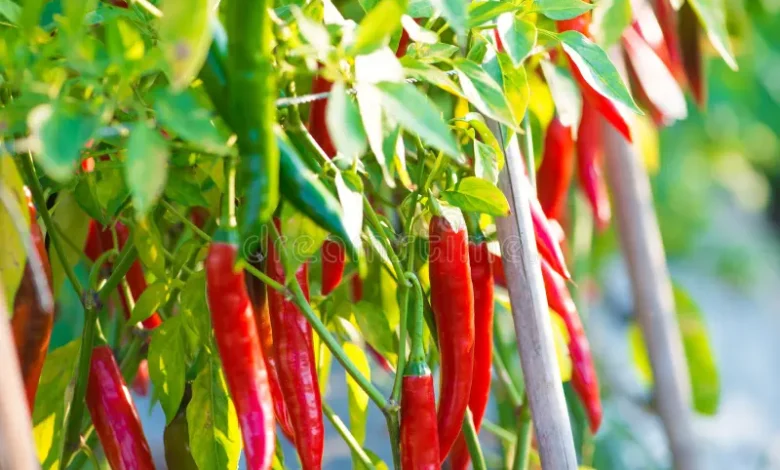
As global demand for chili peppers continues to surge across Europe, the Middle East, and North America, Ghana has emerged as a strategic hub for large-scale, export-oriented chili production. With its fertile land, favorable climate, political stability, and proximity to European markets, Ghana offers U.S. investors an unmatched opportunity to establish profitable agribusiness operations at a fraction of domestic production costs.
Ghana’s Untapped Agribusiness Opportunity
As the global demand for chili peppers continues to surge, Ghana is quietly emerging as Africa’s next major agricultural frontier, offering fertile land, export-ready infrastructure, and unmatched investment potential for large-scale commercial chili production.
For American agribusiness investors seeking cost-effective expansion into Africa, Ghana provides a profitable, low-risk, and export-driven opportunity in the global chili market.
The Global Chili Market: Billions in Demand
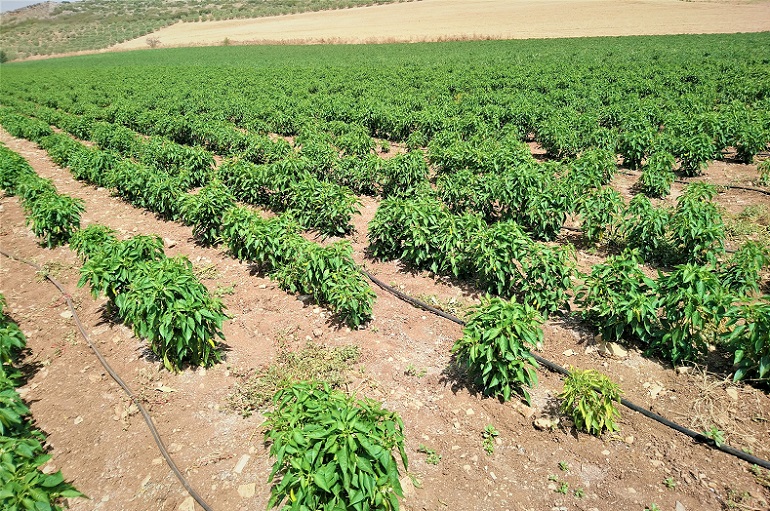
According to global trade data, the chili pepper industry is projected to surpass $10 billion by 2030, driven by strong demand in food manufacturing, pharmaceuticals, and spice exports.
Europe alone imports over $2 billion worth of chili products annually, while the United States remains among the top five global consumers. Ghana’s geographical proximity to Europe, with major shipping routes via the Tema and Takoradi ports, positions it as a logistical powerhouse for export agriculture.
Why Ghana Is the Perfect Base for Large-Scale Chili Farming
Ghana offers the ideal conditions for cultivating chili peppers all year round.
Regions such as Northern Ghana, Bono East, Volta, and Eastern have suitable soil composition and reliable rainfall patterns.
Key investment advantages include:
- Abundant land availability — large tracts between 500 to 10,000 acres at affordable lease rates.
- Low labor costs — agricultural wages are 70% cheaper than in the U.S., improving return on investment.
- Export infrastructure — two international ports and strong logistics networks ensure fast and cost-effective shipping.
- Stable political and business environment — Ghana remains West Africa’s most stable democracy, with a consistent record of economic growth.
Profitability Potential: Commercial Model Projection
A 1,000 acre commercial chili farm in Ghana can generate impressive annual profits under export contracts.
| Parameter | Estimate |
|---|---|
| Total Production | 30,000 – 40,000 tons |
| Total Revenue | $24 million – $32 million |
| Total Cost | $8 million – $10 million |
| Net Profit | $15 million – $22 million |
| ROI | 150% – 200% per year |
With modern irrigation, mechanization, and export partnerships, commercial chili farming in Ghana offers multi-million-dollar annual returns at a fraction of U.S. production costs.
Government Incentives for Foreign Investors
Ghana actively encourages foreign agricultural investment through tax breaks, free zone benefits, and export incentives.
Investor Benefits Include:
- Up to 10 years of tax exemption under the Ghana Free Zones Act.
- Duty-free access to the U.S. (via AGOA) and Europe (via EPA trade agreements).
- 100% repatriation of profits.
- Access to funding and export guarantees through the Ghana Export Promotion Authority (GEPA) and Exim Bank Ghana.
These frameworks make it easier for U.S. investors to establish large-scale operations while maintaining full ownership and profit control.
Five-Year Financial Outlook
| Year | Production (Tons) | Revenue ($) | Net Profit ($) |
|---|---|---|---|
| 1 | 20,000 | 16,000,000 | 8,000,000 |
| 2 | 35,000 | 28,000,000 | 16,000,000 |
| 3 | 40,000 | 32,000,000 | 20,000,000 |
| 4 | 45,000 | 36,000,000 | 24,000,000 |
| 5 | 50,000 | 40,000,000 | 28,000,000 |
By leveraging Ghana’s natural resources and export advantages, a well-managed operation can achieve a cumulative profit exceeding $80 million within five years.
Strategic Advantages for U.S. Agribusiness
- Global Expansion: Establishing operations in Ghana opens doors to European and African markets.
- Cost Efficiency: Significantly lower land, labor, and input costs compared to the United States.
- Export Access: Ghana’s trade partnerships ensure duty-free access to major global markets.
- Sustainability: Year-round tropical production supports continuous exports without winter disruptions.
- Scalability: Ghana’s vast arable lands allow rapid expansion from hundreds to thousands of acres.
Chili pepper farming in Ghana is not just an agricultural venture; it’s a strategic gateway for U.S. agribusiness to enter Africa’s booming export economy.
With high profitability, export potential, and favorable investment policies, Ghana offers a rare opportunity to build a multi-million-dollar agribusiness empire while strengthening global food security.
🌍 The future of sustainable spice production is in Ghana and the time to invest is now