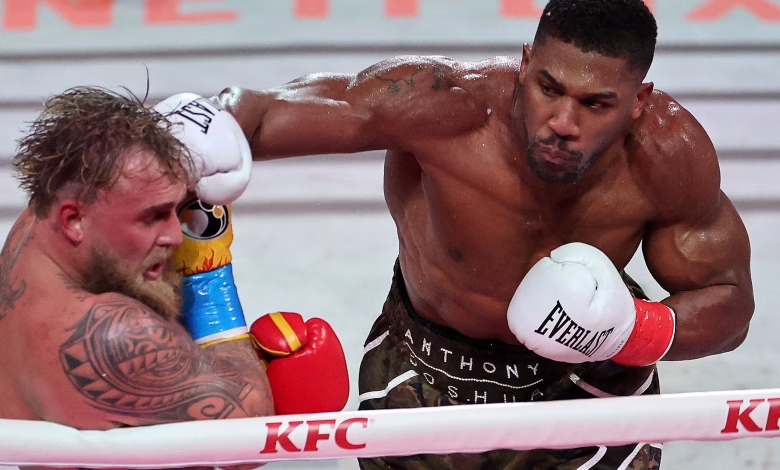
The much anticipated bout between Anthony Joshua and Jake Paul arrived surrounded by controversy, with many boxing fans questioning whether the sport had crossed fully into entertainment driven spectacle rather than genuine competition. The fight, which aired on Netflix, was officially sanctioned and not scripted, yet what unfolded inside the ring left many viewers underwhelmed.
Rather than producing drama or excitement, the contest turned into a slow and uninspiring affair. Despite the global attention and massive audience, the action lacked intensity and urgency. The irony of the night was that while the performance disappointed from a sporting perspective, it still delivered one of the biggest paydays and widest television reach of Joshua’s career.
The lack of engagement became so obvious that referee Christopher Young intervened late in the fourth round, urging both fighters to be more active. His comment directed at Paul reflected the frustration of viewers worldwide, drawing agreement from commentators and fans alike.
Throughout the build-up, Joshua spoke about responsibility and carrying the sport forward. However, on fight night in Miami, the execution was far from convincing. Jake Paul adopted a survival-focused approach, avoiding exchanges and spending much of the contest circling the ring, using its wider dimensions to his advantage.
Paul, who had promised a historic upset, rarely committed to meaningful attacks. When contact was made, it often involved clinching and awkward movement rather than clean punches. Joshua, on the other hand, threw numerous wide shots that failed to land decisively, allowing his inexperienced opponent to escape danger with relative ease.
After the fight, Joshua admitted dissatisfaction despite the victory, acknowledging that the performance did not meet his own expectations. While the reported purse was enormous, the bout offered little value to boxing purists and fans who stayed up late to watch.
Questions have now emerged about the direction of Joshua’s career. At 36 years old, the former Olympic gold medalist and two-time world heavyweight champion has already achieved significant success. However, facing a novice boxer like Paul did little to add to his legacy.
Joshua later praised Paul’s resilience, noting his determination and effort despite the clear difference in experience. Still, the contest highlighted a growing trend in boxing, where commercial appeal and streaming platforms increasingly influence matchmaking decisions.
Recent discussions about potential crossover bouts involving major names from other combat sports further underline this shift. Joshua himself appears open to these opportunities, having recently faced former UFC fighter Francis Ngannou before this encounter with Paul.
His only recent fight against an established heavyweight contender resulted in a heavy knockout loss to Daniel Dubois, raising concerns that the physical demands of a long career may be catching up with him. Against that backdrop, some observers believe the financial rewards and exposure of spectacle-driven fights may now outweigh sporting considerations.
Promoter Eddie Hearn has not ruled out further unconventional matchups, suggesting that discussions are ongoing regarding Joshua’s next appearance in the ring.
Meanwhile, Jake Paul continues to leverage his massive online following and financial resources to secure high-profile opportunities. With tens of millions of social media followers and significant personal wealth, Paul has built a professional training environment comparable to that of elite fighters.
Despite the defeat, Paul spoke confidently after the fight, even claiming injury and reiterating his ambition to become a world champion. His influence and marketability suggest he will remain part of boxing conversations regardless of criticism.
The strange nature of the event was further highlighted when attention turned to a possible future clash between Joshua and long-time rival Tyson Fury. While both fighters expressed openness, boxing history is filled with missed opportunities due to delays and distractions.
Many believe the Joshua Fury fight should happen sooner rather than later, before further diversions reduce its significance. With boxing increasingly competing against entertainment-focused contests, the risk of losing major matchups remains real.
As the sport continues to balance tradition with commercial pressures, the Joshua Paul contest may serve as a warning. Without prioritising meaningful competition, boxing risks repeating spectacles at the expense of the fights fans truly want to see.