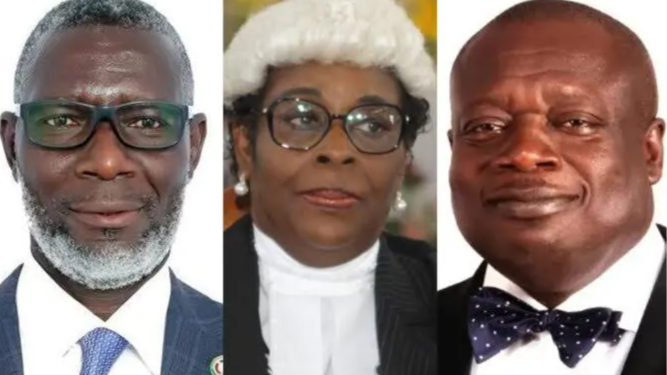
Parliament has given its endorsement to three individuals nominated for positions as Justices of the Supreme Court, even though the Minority Caucus chose not to take part in the screening process.
The individuals confirmed are Justice Sophia Rosetta Bernasko-Essah, Justice Edward Amoako Asante, and Anthony Forson Jnr, a private legal practitioner who previously headed the Ghana Bar Association.
The House’s decision came after it accepted the report of the Appointments Committee, which had advised that all three candidates be appointed to the country’s highest court.
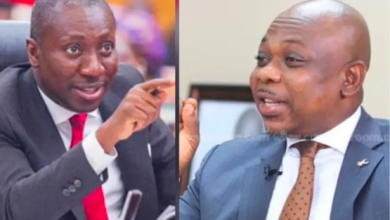
The Minority, under the leadership of Minority Leader Alexander Afenyo-Markin, stayed away from the vetting. They contended that the exercise was being hurried through and failed to observe the normal rules of parliamentary procedure.
Afenyo-Markin stressed that the Minority’s concerns were not about the nominees’ credentials. Instead, they objected to the speed and the shortened timeline for reviewing the nominations.
He maintained that no vacant seat on the Supreme Court justified an accelerated process and asked why the customary period for public examination of the candidates had been reduced.
Bernard Ahiafor, who chairs the Appointments Committee, dismissed the Minority’s arguments and instructed that the screening continue.
In response, the Minority members left the committee session. The Majority then carried on with the interviews and evaluation of the nominees on its own.
Even without the Minority’s participation, the committee ultimately recommended the three candidates, enabling the full House to consider and approve them.
Justice Bernasko-Essah currently serves on the Court of Appeal and possesses substantial judicial experience. She had been proposed for the Supreme Court in 2024, but that earlier process was not finalised before the change of government.
Justice Amoako Asante, also a Court of Appeal judge, earlier held the position of President of the ECOWAS Court of Justice before rejoining Ghana’s Court of Appeal.
Anthony Forson Jnr, a private practitioner and former Ghana Bar Association president, contributes broad experience gained in private legal work.
With parliamentary approval secured, the three nominees can now proceed through the remaining constitutional steps required for their formal appointment to the Supreme Court.