The National Anti-Illegal Mining Operations Secretariat (NAIMOS) has intensified its operations along critical waterways in Ghana’s Eastern Region, focusing on Atiwa West, where illegal mining activities continue to threaten key rivers, including the Asukorkor and Subin rivers.
According to NAIMOS, the renewed operations form part of a broader strategy to protect water bodies that serve thousands of communities. However, despite the stepped-up efforts, enforcement teams are facing persistent challenges on the ground, largely due to advance intelligence leaks that allow illegal miners to evade arrest.
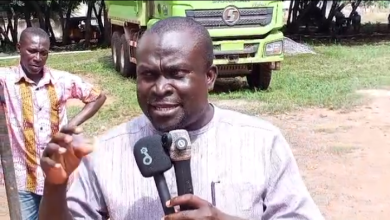
Speaking to the TV3, NAIMOS spokesperson Paa Kwasi Schandorf revealed that many illegal miners abandon their sites moments before taskforce teams arrive. As a result, equipment is often removed and key operators disappear, making arrests and prosecutions increasingly difficult.
“Most of the illegal miners get to know when we are coming and run off before we arrive,” Schandorf disclosed.
Political interference complicates enforcement
More troubling, however, are allegations that sensitive security information is being leaked from within local governance structures.
Schandorf explained that operational details are sometimes shared with stakeholders in the municipality under the guise of coordination. Unfortunately, he noted, such information is allegedly sold to illegal miners before taskforces reach their target locations.
According to NAIMOS, individuals suspected of being linked to these leaks often include Metropolitan, Municipal and District Chief Executives (MMDCEs), as well as some assembly members in the affected areas.
Due to their influence and standing within local communities, these officials are said to have direct or indirect access to operational intelligence.
As a result, key figures involved in galamsey activities are able to evade enforcement teams, weakening the impact of national anti-illegal mining efforts.
Sector minister considers decentralization strategy
In response to these challenges, the Minister responsible for the sector, Hon. Armah Kofi Buah, is exploring a new operational model aimed at increasing accountability at the local level. According to Schandorf, the minister is considering decentralizing NAIMOS operations into Municipal Assemblies where illegal mining is most prevalent.
Under this proposed framework, MCEs, DCEs, assembly members, and other relevant local officials would be held directly accountable for the success or failure of anti-galamsey operations within their jurisdictions.
Importantly, the minister has issued a strong warning regarding intelligence leaks. He has reportedly assured that any confirmed involvement of an MCE or DCE in leaking operational details to illegal miners will be dealt with decisively.
“The minister has made it clear that he will not take this lightly,” Schandorf stated. “If intelligence is leaked and traced to any MCE or DCE, there will be no hesitation in removing that person from office.”
Renewed resolve to protect water bodies
Meanwhile, NAIMOS maintains that operations along waterways in the Eastern Region will continue, with a stronger emphasis on surveillance, intelligence control, and inter-agency collaboration.
The Secretariat insists that safeguarding rivers such as the Asukorkor and Subin remains a national priority, given their importance to public health, agriculture, and long-term environmental sustainability.
As Ghana’s fight against illegal mining enters a more critical phase, observers say the success of the campaign may ultimately depend on political will, transparency, and the ability to hold both miners and public officials accountable.
For now, NAIMOS says it remains committed to its mandate despite the obstacles and is urging all stakeholders to place national interest above personal or political gain