Saglemi is Not a Lost Cost: The Hidden Value in Ghana’s Green Digital City Vision


Once seen as a failed project, the Saglemi Housing Estate now stands to become a cornerstone in Ghana’s plan to decongest Accra and power a new wave of sustainable urban development.
When the Saglemi Housing Project first broke ground a decade ago, it was meant to give ordinary Ghanaians affordable homes. Years later, its unfinished buildings and political controversies turned it into a symbol of lost opportunity. But the story is far from over.
With President John Dramani Mahama’s recent announcement of a Green Digital City stretching from Dawa through Saglemi and Bundase into parts of the Volta and Eastern Regions, the once-stalled Saglemi project may finally find its purpose. What many dismissed as a failure could, in fact, become one of the most strategic urban assets in Ghana’s history.
A sleeping asset with new potential
The Saglemi estate already holds over 1,500 housing units, road layouts, and utility foundations that can be revived with far less capital than starting from scratch. The land itself, spanning hundreds of acres near Prampram, lies within the exact corridor that the government now envisions as the future of Ghana’s industrial and residential expansion.
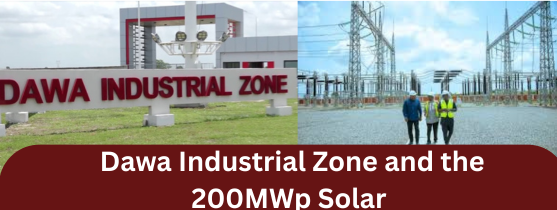
Its proximity to the Dawa Industrial Zone and the 200MWp Solar for Industries project means it can serve as a ready-made residential zone for workers, civil servants, and investors drawn to the new city. With proper planning, Saglemi could anchor affordable housing, digital service centers, and even host relocated government offices.
A smart fit for decongesting Accra
Accra’s population continues to swell beyond its infrastructure capacity, pushing the government to find practical ways to spread economic activity. Saglemi’s revival fits perfectly into that goal.
Relocating key institutions, industries, and residential developments to the Dawa–Saglemi–Bundase corridor could ease the strain on the capital’s roads, housing, and sanitation systems. It would also promote balanced regional growth, giving Ghanaians more opportunities outside central Accra.
Urban planners say that with the right transit links such as express bus routes and improved road networks, Saglemi could evolve into a fully integrated satellite city. The solar energy investments at Dawa would further ensure a reliable electricity supply, cutting costs and supporting Ghana’s shift toward a green economy.
From controversy to completion
Years of stalled work and investigations left the Saglemi project in limbo, but the site still represents real value. The structures, land, and partial utilities are tangible assets that simply need completion and modernization. The Ministry of Works and Housing has already confirmed intentions to revisit and finish the project through public-private partnerships, giving hope that the estate could soon be revived under tighter financial oversight and improved project governance.
This revival aligns directly with the government’s 24-hour economy agenda and industrial energy goals, making Saglemi part of a much larger transformation blueprint rather than a stranded investment.
Why Saglemi matters now
- It sits at the heart of the Green Digital City corridor.
- It offers existing infrastructure that can be upgraded for modern living.
- It supports Ghana’s renewable energy and industrial diversification goals.
- It provides a pathway to decongest Accra while creating new economic centers.
The road ahead
Saglemi’s rebirth will require funding, strong governance, and community engagement, but its inclusion in the Green Digital City vision gives it a renewed sense of purpose. Instead of being written off as a political burden, it is now poised to play a central role in shaping Ghana’s next phase of sustainable urban growth.
If executed with transparency and planning discipline, Saglemi could become not a lesson in failure, but a model for how Ghana can revive stalled projects and align them with modern national goals.