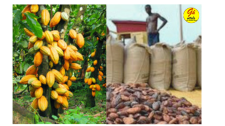
Ghana’s cocoa sector, a major pillar of the national economy, is facing renewed strain as many cocoa farmers report delays in payments for beans that have already delivered. The situation is raising concerns about the next harvest and the wider impact on food prices, rural livelihoods, and export earnings.
Cocoa remains Ghana’s leading agricultural export and a key source of foreign exchange. Millions of people depend on the crop directly or indirectly. Any disruption in the payment system, therefore, affects both farming communities and the national economy.
Payment Delays Put Pressure on Rural Economies
Cocoa farmers rely on timely payments to prepare for each production cycle. They use this income to buy fertilizers, pesticides, tools, and seedlings. Many households also depend on cocoa earnings to pay school fees, medical bills, and food expenses.
When payments arrive late, farmers reduce farm maintenance and delay essential activities. Some turn to short-term loans with high interest rates. Over time, these decisions weaken productivity and reduce farm output.
Cocoa income also supports local transporters, labourers, traders, and small businesses. Delayed payments reduce spending in these communities and slow economic activity across rural areas.
Risks to the Next Cocoa Harvest
Cocoa farming follows a strict seasonal calendar. Farmers must prune trees, control pests, and apply fertilizers at the right time to protect yields. Payment delays often disrupt this schedule.
Industry observers warn that continued delays could reduce farm investment ahead of the next harvest. Lower investment increases the risk of poor yields, especially as climate pressures and rising input costs already challenge farmers.
A drop in production could affect Ghana’s ability to meet export commitments and weaken confidence in the country’s cocoa supply chain.
Food Prices and Household Welfare Under Strain
Cocoa income plays a critical role in food security within producing regions. When farmers do not receive payments on time, households often cut back on food purchases or switch to cheaper alternatives.
This reduction in spending affects local markets and food traders. Over time, it can influence food prices and increase pressure on household welfare, particularly in rural communities where cocoa income drives demand.
The effects may also spread to non-cocoa farmers who rely on cocoa-growing communities as markets for their produce.
Export Earnings Face Growing Uncertainty
Cocoa exports contribute significantly to Ghana’s foreign exchange earnings and government revenue. Any sustained decline in output or disruption in export flows could reduce inflows of foreign currency.
Lower export earnings can place pressure on the cedi and complicate broader economic management. International buyers and financial partners also monitor the stability of cocoa financing closely.
Persistent payment challenges may raise concerns about efficiency and sustainability within the cocoa value chain.
Financing Pressures in the Cocoa Sector
The cocoa industry depends on complex financing arrangements to support purchasing and exports. Rising global interest rates and tighter credit conditions have increased borrowing costs across the sector.
These challenges have placed a strain on cocoa purchasing operations and contributed to payment delays. This suggests that Ghana may need targeted reforms to improve financing efficiency and protect farmers from future disruptions.
Calls for Long-Term Solutions
Resolving current payment delays should form part of a broader strategy to strengthen the cocoa industry. Improving transparency in financing, supporting productivity, and ensuring predictable payments could restore confidence among farmers.
There is also growing support for income diversification in cocoa-growing areas. Investments in food crops, agro-processing, and rural infrastructure could reduce dependence on cocoa alone.
Outlook for Ghana’s Cocoa Industry
Despite current challenges, cocoa remains a strategic asset for Ghana. Global demand continues to grow, and Ghanaian cocoa still commands strong market confidence.
However, the future of the sector depends on timely payments and sustained support for farmers. Addressing payment delays will help protect rural livelihoods, stabilize food prices, and safeguard Ghana’s export earnings as the next harvest approaches.