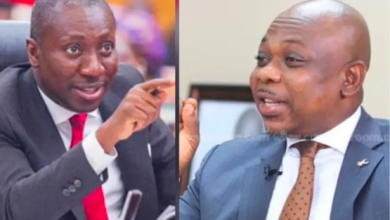
The Minority in Parliament has warned that the planned rise in utility tariffs, set to begin on July 1, 2026, poses a serious threat to the government’s flagship 24-hour economy initiative.
The caucus argued that the 3.49 percent hike in electricity tariffs and 0.85 percent increase in water tariffs will place additional strain on industries and diminish consumers’ spending power.
Speaking to journalists on Thursday, June 25, Deputy Ranking Member of the Energy Committee, Collins Adomako-Mensah, stated that the adjustments would intensify the cost-of-living crisis and reduce the competitiveness of local businesses.
He highlighted the potential negative impact on manufacturers, processors, and small-scale enterprises nationwide.
“Ghana’s manufacturers, processors, and small businesses already face some of the highest utility tariffs in West Africa,” he said.
“Any further increase in electricity costs weakens their ability to compete, drives up production expenses, and eventually leads to higher prices for the very consumers the NDC claims to be shielding.”
Adomako-Mensah added that the escalating electricity costs risk derailing the 24-hour economy policy, especially its goals around job creation and industrial growth.
“The 24-hour economy cannot thrive with electricity that is 26.82 percent more expensive,” he remarked. “Creating jobs becomes nearly impossible when the cost of running factories continues to climb every quarter.”
The Minority further accused the Mahama administration of breaking its promises, pointing to a total 26.82 percent rise in electricity tariffs since the government took office.
“Since January 2025, electricity tariffs have surged by 26.82 percent, while workers received only a 10 percent salary increase — less than one-third of the added burden they are being forced to bear,” he noted.