Teachers Remain on Strike Over Allowance Arrears and Delayed Implementation of Labour Awards

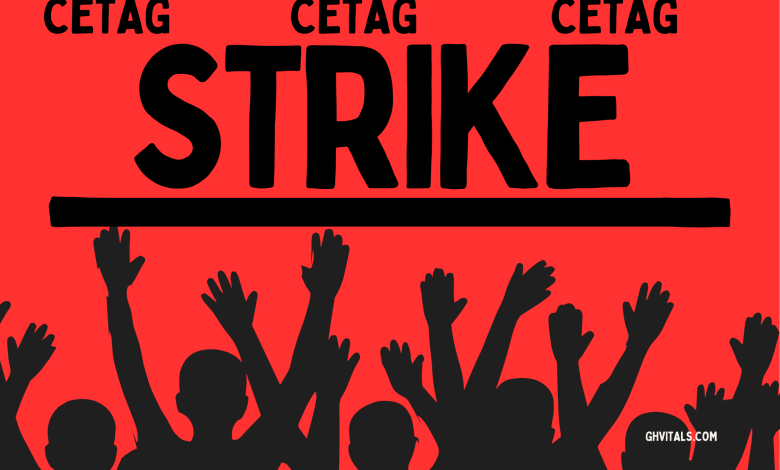
Teachers in Ghana’s Colleges of Education continue an industrial action over outstanding financial entitlements and unresolved labour agreements, raising concerns about prolonged disruptions to academic activities.
The action, led by the Colleges of Education Teachers’ Association of Ghana, follows what the union describes as delays in the payment of book and research allowances, conditions of service-related entitlements, and the full implementation of an arbitral award issued by the National Labour Commission.
According to the association, members are owed book and research allowance arrears covering multiple academic years. The allowance, which is intended to support teaching, academic research, and professional development, forms part of negotiated compensation for teacher educators in the colleges.
In addition to the unpaid allowances, the union has cited delays in implementing agreed conditions of service. These include compensation linked to additional duties performed throughout the academic year, as well as salary-related adjustments associated with professional qualifications and workload requirements.
Another key issue is the non-implementation of an arbitral award issued by the National Labour Commission in 2023. The award followed formal dispute resolution processes between the union and the government, and outlined specific obligations regarding allowances and other employment conditions. The teachers’ association maintains that the award is legally binding and expects full compliance.
The strike has resulted in the suspension of teaching and related academic activities in Colleges of Education across the country. Teacher trainees have been advised by their leadership to remain at home until the matter is resolved, as normal academic work remains disrupted.
Education analysts note that prolonged industrial actions at the tertiary level can affect academic calendars, student progression, and institutional planning. They also point to the broader challenge of aligning public sector compensation agreements with fiscal constraints.
Government representatives have acknowledged engagement with education sector unions and have indicated that discussions are ongoing. However, as of now, no official timeline has been announced for the full resolution of the issues raised.
Labour experts emphasize that disputes of this nature highlight the importance of timely implementation of negotiated agreements and transparent communication between public institutions and organized labour.
For now, the teachers’ association says the strike will remain in place until there is clear progress on the outstanding allowances and the implementation of agreed labour decisions.